

Alphabet’s $80B AI Bet Spooks Investors
 AI
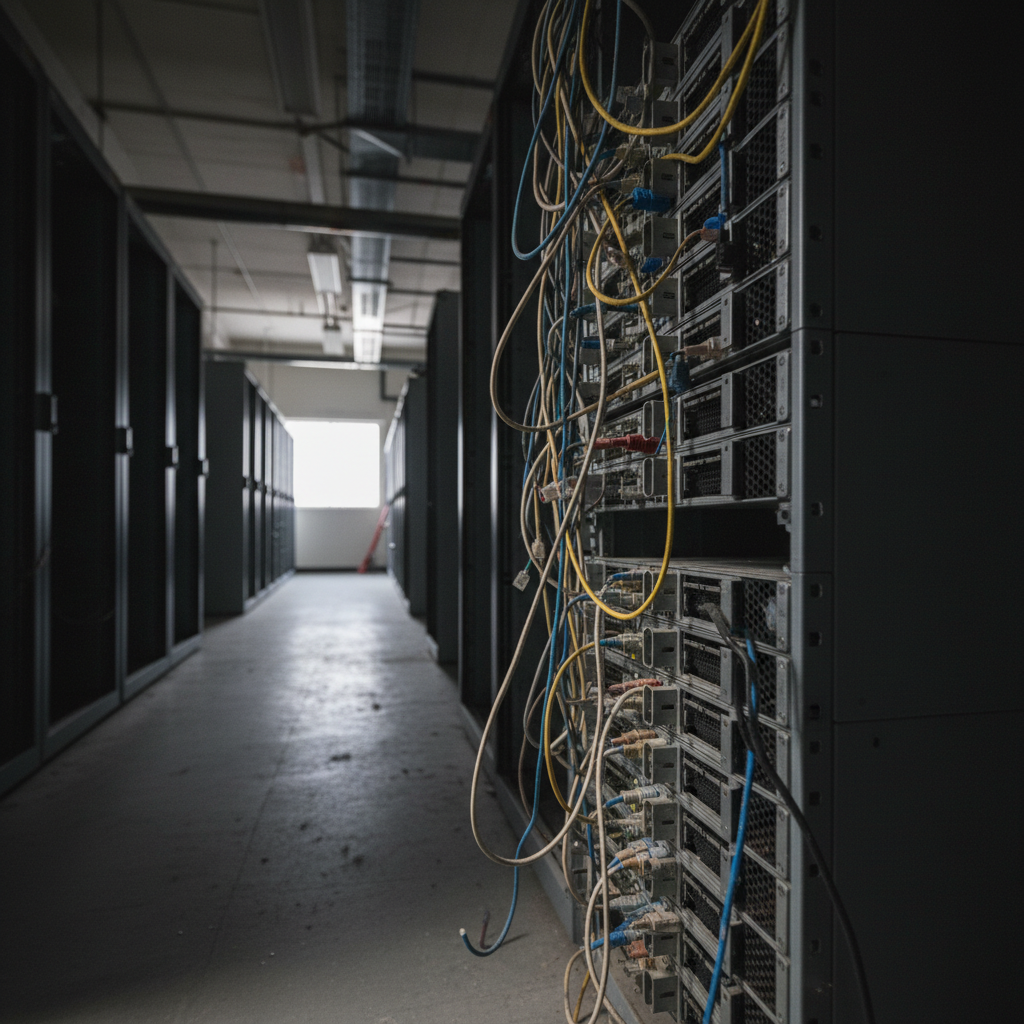
It was a move designed to project overwhelming force in the artificial intelligence arms race, a declaration of financial firepower from one of the world’s most powerful companies. Alphabet, the parent of Google, announced a colossal $80 billion equity raise to construct the data centers that will power its future. The plan came with a monumental endorsement: a $10 billion stake purchased by Berkshire Hathaway.
And yet, the market’s response was not applause, but a sharp, anxious intake of breath. In the three trading sessions that followed the announcement, Alphabet’s shares tumbled 3.9%, wiping a staggering $340 billion from its market capitalization. The brutal sell-off reveals a critical tension at the heart of the current market: the intoxicating, long-term promise of AI is clashing with the monumental, and potentially dilutive, cost of building it.
The episode serves as a cautionary tale for a market that has been riding high on a wave of AI enthusiasm, strong corporate earnings, and resilient consumer spending. It shows that even for a titan like Alphabet, there is a limit to investors’ willingness to fund the future at any price.
The Price of Digital Dominance
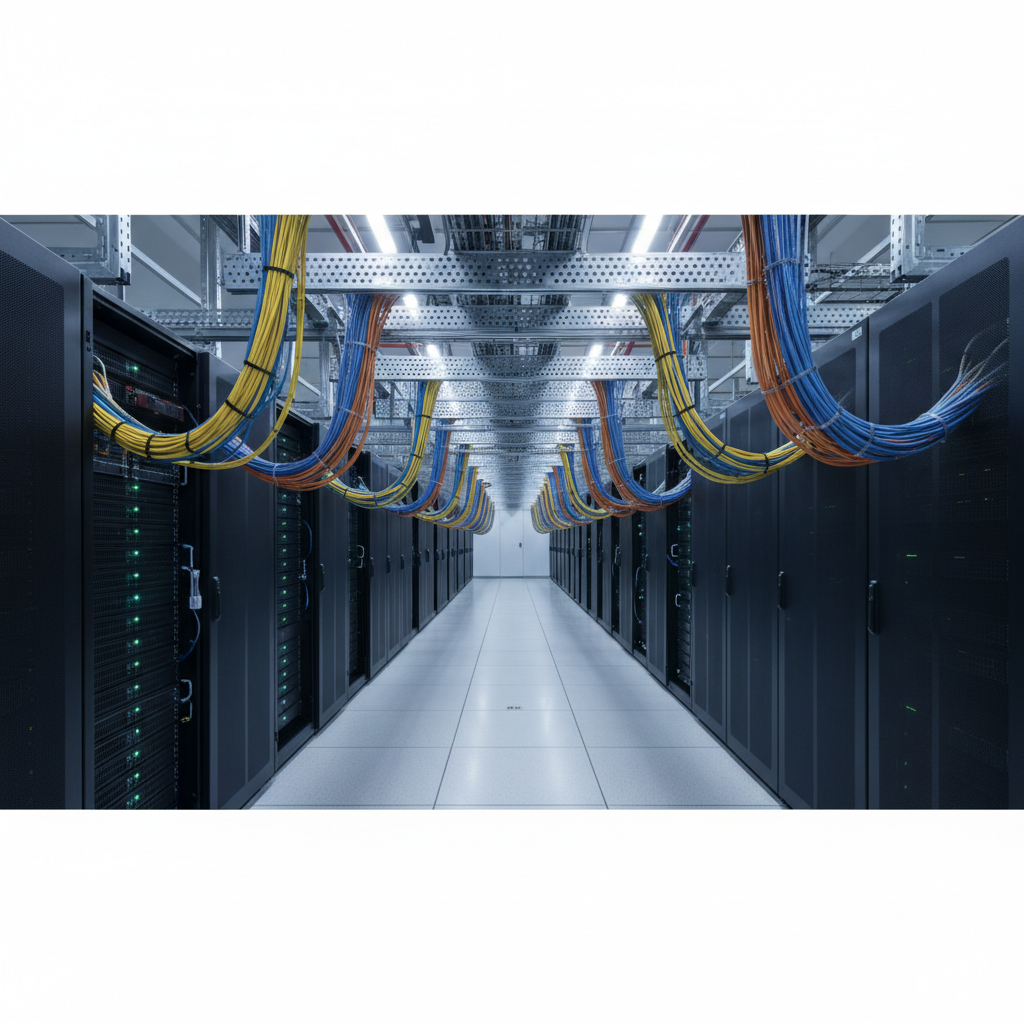
The $80 billion figure is not just a fundraising target; it is a statement on the sheer scale of capital required to compete at the highest levels of artificial intelligence. As AI models become more complex, the computational resources needed to train and run them have exploded. This has ignited a global arms race among tech giants for chips, servers, and the vast, power-hungry data centers needed to house them all.
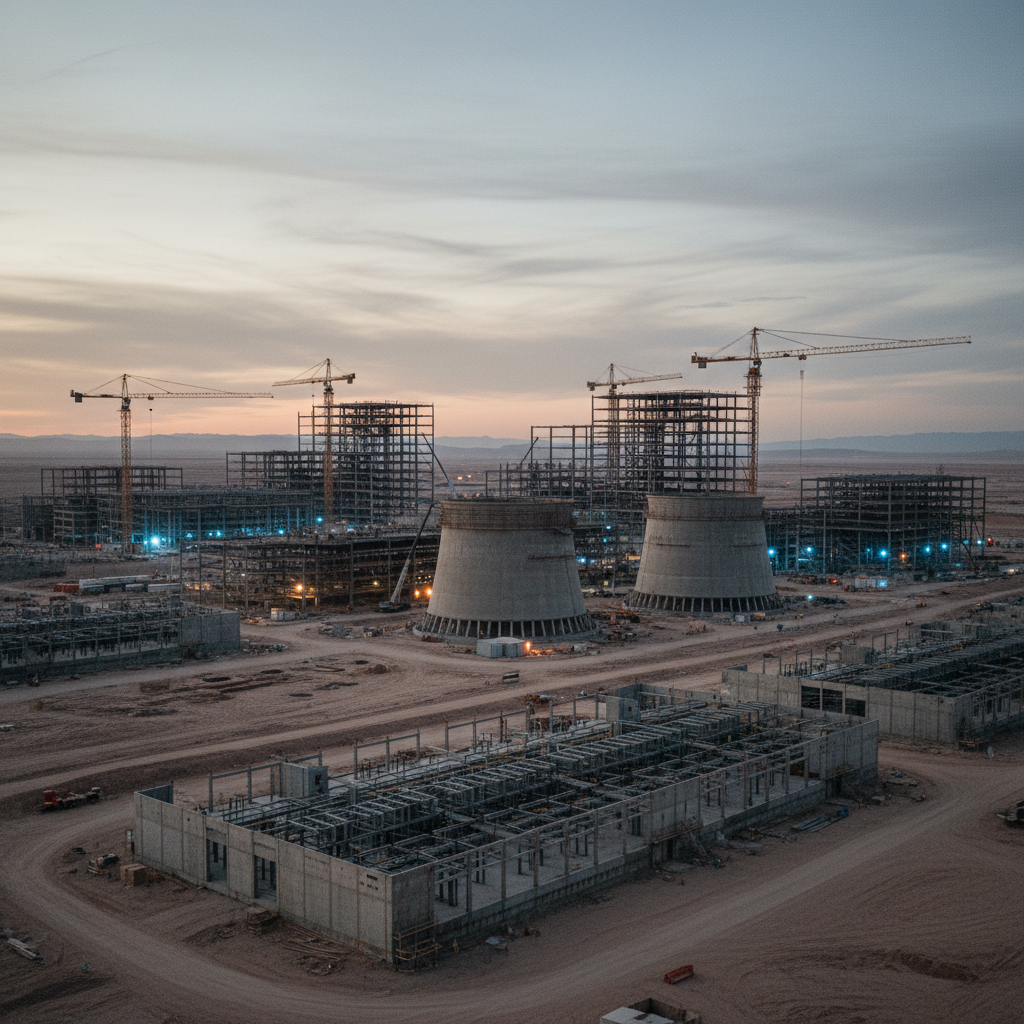
For Alphabet, this equity raise is a declaration that it will not be outspent. The funds are earmarked specifically for AI data center construction, a direct investment in the foundational infrastructure the company believes will secure its market position for the next decade. The move comes as the market has been broadly supported by the theme of AI investment, which, alongside first-quarter earnings growth of over 28%, has helped push stocks toward record highs.
However, the scale of the capital call appears to have given investors a severe case of sticker shock. An equity raise of this magnitude can be dilutive to existing shareholders, reducing the value of their holdings. More critically, it signals a period of intense capital expenditure that will weigh heavily on free cash flow, a key metric for many investors. For a market already contending with persistent risks from inflation, Federal Reserve policy, and volatile energy costs, the announcement may have been too much, too soon.
An Oracle’s Endorsement, A Market’s Rebuke
Perhaps the most surprising element of the market’s reaction is that it came in the face of a significant vote of confidence from Berkshire Hathaway. The conglomerate’s $10 billion participation was a powerful statement, aligning the investing giant with Alphabet’s aggressive AI strategy.
Berkshire’s investment is a long-term bet on Alphabet’s ability to translate its infrastructure spending into durable, compounding profits. It suggests that, from Berkshire’s perspective, the immense cost is justified by the potential reward of dominating a technology expected to reshape the global economy. The firm’s recent activity shows a continued appetite for large-scale investments in the core of the U.S. economy. In a separate deal, Berkshire recently completed a $6.8 billion acquisition of home builder Taylor Morrison, part of a wider consolidation trend in the sector. Paired together, the deals paint a picture of a firm deploying massive capital into American infrastructure, both physical and digital.
The disconnect between Berkshire’s long-term conviction and the market’s short-term jitters is telling. Public market investors, reacting in real time, saw the immediate dilution and the multi-billion-dollar cost. Berkshire, by contrast, saw a strategic opportunity to buy into a future leader at a pivotal, if costly, moment.
A Market at a Crossroads
The sell-off in Alphabet’s shares did not happen in a vacuum. It reflects the anxieties of a market that has been walking a tightrope. One source noted the S&P 500 had climbed above 7,600 before slipping back more than 4%, a sign of underlying fragility despite a strong earnings season where 99% of companies have reported.
Investors are grappling with conflicting signals. On one hand, strong earnings and the promise of AI have provided powerful tailwinds. On the other, the risks of inflation and the path of Fed policy remain significant headwinds. In this environment, any large, unexpected event can trigger volatility. The Alphabet raise, in its sheer size, provided just such a trigger.
Looming on the horizon are other high-profile events that could test market sentiment, such as the expected public offering of SpaceX on June 12, which has been dubbed the largest in history. Furthermore, regulatory bodies are not standing still. The Commodity Futures Trading Commission (CFTC), for instance, is proposing amendments to its rules on event contract derivatives, a reminder that the financial landscape is subject to continuous regulatory adjustment.
The $340 Billion Question
The evaporation of $340 billion in market value is a stark reminder that even for the market’s biggest and most beloved players, there is no blank check for AI. The sell-off suggests that shareholders are becoming more discerning about the narrative of “AI at any cost.” They are beginning to ask hard questions about the return on these unprecedented investments.
While AI investment has been a primary driver of stocks to near-record highs, the Alphabet case study provides a crucial counterpoint. It demonstrates that the how of that investment matters. A sudden, massive equity raise, even for a critical strategic priority, can spook a market that is trying to balance enthusiasm for new technology with persistent macroeconomic anxieties.
As the AI buildout continues, the market will be forced to price in the enormous capital expenditures required. The era of cheering AI announcements without scrutinizing the balance sheet may be coming to a close. For Alphabet and its peers, the challenge will be to prove that they are not just building bigger data centers, but building a profitable and sustainable future that justifies the astronomical cost. The market has asked the $340 billion question; now it awaits an answer.
Sources
- CRE This Week | Altus Research
- Is a Market Correction Coming? | U.S. Bank
- insights Markets and economy - Invesco
- SpaceX closed its first day of trading with a market cap of over $2 ...
- Weekly market commentary | BlackRock Investment Institute
- Prediction Markets; Public Interest Determinations - Federal Register

Comments
Loading comments…